Table of Contents
An important part of experiencing injury is feeling different from others, whether or not the trauma was an individual or team experience. Survivors commonly believe that others will certainly not totally understand their experiences, and they may think that sharing their feelings, thoughts, and responses related to the injury will drop short of assumptions.

The sort of injury can determine exactly how a specific feels various or believes that they are different from others. Traumas that create embarassment will certainly often lead survivors to really feel even more alienated from othersbelieving that they are "damaged products." When people think that their experiences are unique and incomprehensible, they are most likely to seek assistance, if they look for assistance at all, only with others that have experienced a similar trauma.
A recall is reexperiencing a previous distressing experience as if it were actually happening in that minute. It consists of responses that commonly resemble the client's reactions during the injury.
What to Know when choosing a qualified EMDR-certified Practitioner in Calgary, AB
In some cases, they take place unexpectedly. Various other times, details physical states raise a person's susceptability to reexperiencing an injury, (e.g., exhaustion, high tension degrees). Flashbacks can seem like a brief film scene that intrudes on the client. Listening to a vehicle backfire on a warm, warm day might be enough to create a veteran to respond as if he or she were back on armed forces patrol.
If a client is triggered in a session or during some aspect of therapy, assist the customer focus on what is taking place in the right here and now; that is, make use of grounding techniques., for even more grounding strategies).
Afterward, some customers need to review the experience and recognize why the flashback or trigger happened. It typically aids for the customer to draw a link in between the trigger and the stressful occasion(s). This can be a precautionary technique whereby the customer can prepare for that a provided circumstance puts him or her at higher danger for retraumatization and requires usage of coping methods, including looking for assistance.
Desensitization Methods used in EMDR Treatment for Trauma therapy
Dissociation is a psychological procedure that cuts links amongst a person's thoughts, memories, feelings, activities, and/or sense of identity. A lot of us have actually experienced dissociationlosing the capability to remember or track a particular action (e.g., getting here at work but not keeping in mind the eleventh hours of the drive). Dissociation takes place since the person is engaged in an automatic activity and is not taking notice of his or her immediate setting.
This is a common signs and symptom in terrible anxiety responses. Dissociation helps distance the experience from the individual. People who have experienced severe or developmental trauma may have discovered to separate themselves from distress to endure. At times, dissociation can be extremely prevalent and symptomatic of a psychological disorder, such as split personality condition (DID; formerly referred to as several character problem).
In non-Western societies, a feeling of alternate beings within oneself might be interpreted as being populated by spirits or ancestors (Kirmayer, 1996). Various other experiences connected with dissociation consist of depersonalizationpsychologically "leaving one's body," as if enjoying oneself from a range as an onlooker or via derealization, causing a feeling that what is occurring is strange or is unreal.
Online Eye Movement Desensitization and Reprocessing & Accelerated Resolution Therapy: Success for Observed and Experiential Integration therapy
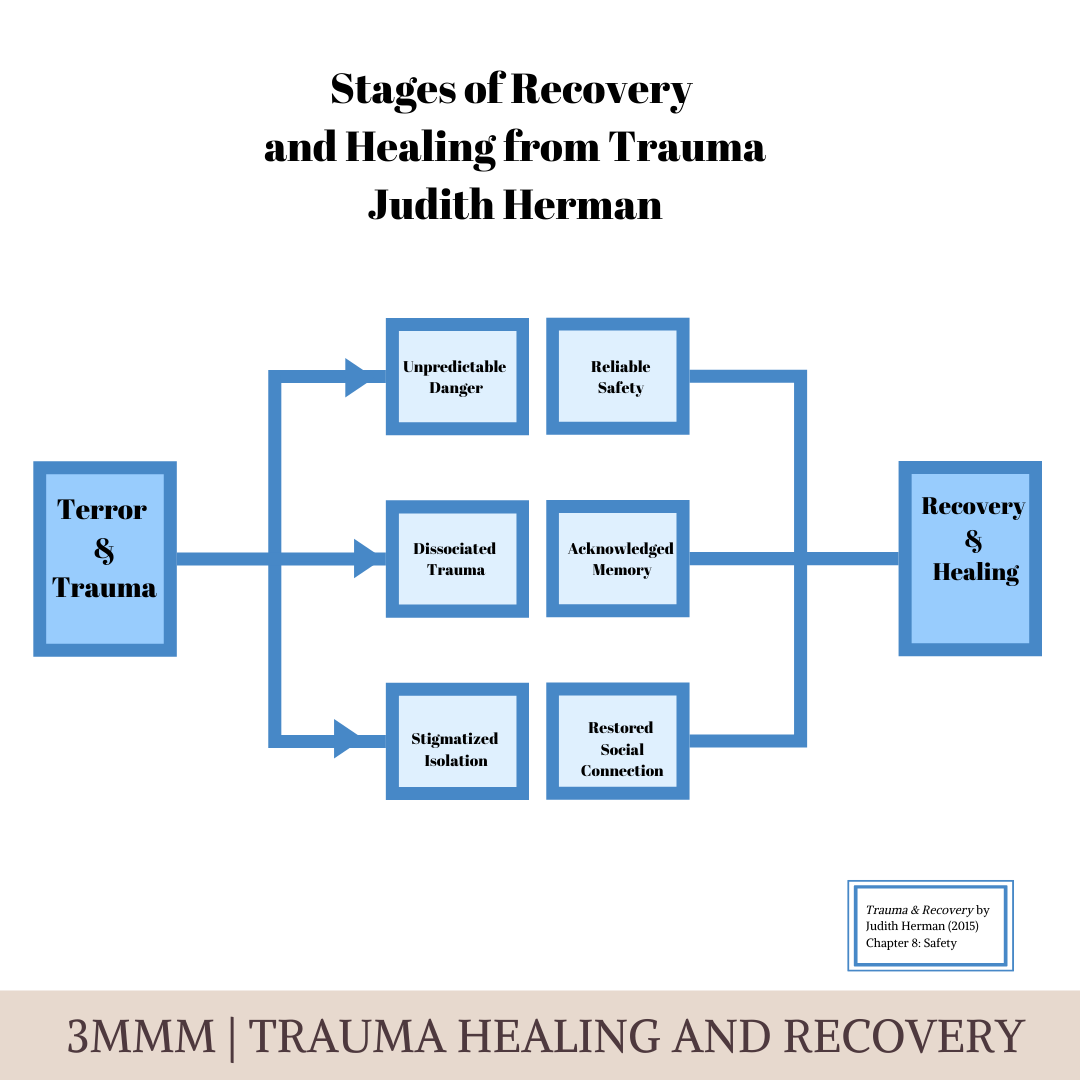
One major long-term effect of dissociation is the problem it creates in attaching solid psychological or physical responses with an occasion. Often, individuals may believe that they are going nuts because they are not in touch with the nature of their responses. By educating clients on the resilient high qualities of dissociation while additionally stressing that it stops them from attending to or confirming the trauma, individuals can start to comprehend the role of dissociation.
Stressful anxiety reactions differ commonly; commonly, people take part in behaviors to handle the consequences, the strength of feelings, or the traumatic elements of the traumatic experience. Some people minimize tension or tension through avoidant, self-medicating (e.g., alcohol misuse), compulsive (e.g., eating way too much), spontaneous (e.g., risky behaviors), and/or self-injurious behaviors. Others might attempt to obtain control over their experiences by being aggressive or subconsciously reenacting elements of the trauma.
Commonly, self-harm is an attempt to deal with emotional or physical distress that seems overwhelming or to handle an extensive feeling of dissociation or being trapped, powerless, and "harmed" (Herman, 1997; Santa Mina & Gallop, 1998). Self-harm is related to previous childhood sexual assault and various other kinds of injury along with drug abuse.
Eye Movement Movements during EMDR Sessions
Marco, a 30-year-old guy, sought therapy at a neighborhood psychological health facility after a 2-year round of anxiety symptoms. He was an energetic member of his church for 12 years, however although he sought aid from his priest concerning a year ago, he reports that he has actually had no contact with his pastor or his church because that time.
He describes her as his soul-mate and has had a difficult time comprehending her actions or how he can have prevented them. In the preliminary consumption, he mentioned that he was the very first person to find his spouse after the self-destruction and reported feelings of betrayal, hurt, rage, and devastation considering that her death.

Navigation
Latest Posts
Meaning-Making Considerations for Mental Health
Family Systems Within International Partnerships
What to Expect with Integrated Therapy with Certified Practitioners